Cosmetic & Restorative
Dental Crowns
IN EVERETT, WA
Full strength, form, and function — restorations so natural they disappear next to your own teeth.
What crowns are used for
A dental crown is a tooth-shaped restoration that fully encases the visible part of a damaged tooth. We use crowns to protect teeth weakened by deep decay or root canal therapy, hold together cracked teeth, restore worn or misshapen teeth, and complete dental implants or anchor bridges.
Crowns also serve cosmetic purposes — improving the shape of a misshapen tooth, or covering deep staining that doesn't respond to whitening.
Crowns come in several materials, including porcelain, ceramic, resin, and zirconia. Zirconia crowns are increasingly popular for their strength and natural look and feel. We'll help you choose the right material for your tooth, your bite, and your budget.
The reason a crown is recommended is almost always structural rather than cosmetic. A tooth held together by a large filling flexes every time you bite, and each flex works the crack a little further down towards the root. Once that crack reaches the root the tooth is usually beyond saving, so the value of a crown lies in the years before that point, not after it.
Material choice is genuinely a decision, not a formality. Zirconia is exceptionally strong and carries no metal to show as a dark line at the gum, which suits molars and anyone who grinds. Layered porcelain still has the edge on translucency for a single front tooth where it sits beside natural neighbours. We will tell you which we would choose for that particular tooth in your mouth, and why.
Signs a tooth may need a crown
- A tooth that hurts on biting, or that has a visible crack line running across it.
- A large old filling that keeps chipping, or where more filling remains than tooth.
- A tooth that has had root canal treatment and has not yet been fully covered.
- A back tooth worn low by grinding, or one that has broken a cusp away.
What to expect
Most crowns take two visits. Implant crowns take longer, since the implant is placed first.
- 1 Exam and preparation We examine the tooth, remove any decay or damage, and gently reshape it to receive the crown.
- 2 Impressions and temporary Precise impressions go to our dental laboratory, which fabricates your custom crown. You wear a temporary in the meantime.
- 3 Placement At a follow-up visit, we fit, adjust, and permanently place your new, natural-looking restoration.
The machine that makes it possible
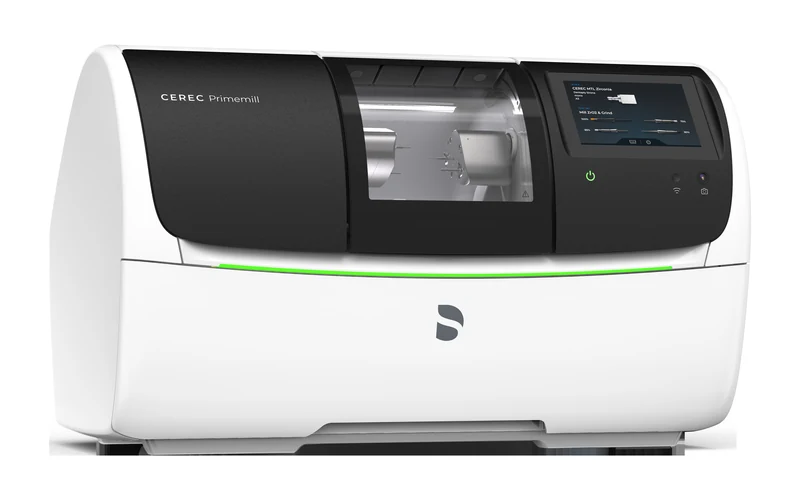
Your crown is designed digitally and milled in our office on a CEREC Primemill — which is how one visit can end with the finished restoration, not a temporary.

Caring for a crowned tooth
Brush and floss as you would a natural tooth, avoid chewing ice or hard objects, and keep your twice-yearly exams so we can monitor the restoration. With good care, a crown will serve you well for many years.
Common questions about dental crowns
Ready to restore your smile?
Call us and schedule your appointment today.
Madison Street Dental Clinic serves Everett and the surrounding communities of Marysville, Mukilteo, Mill Creek, Lake Stevens, Snohomish, Lynnwood and Bothell.